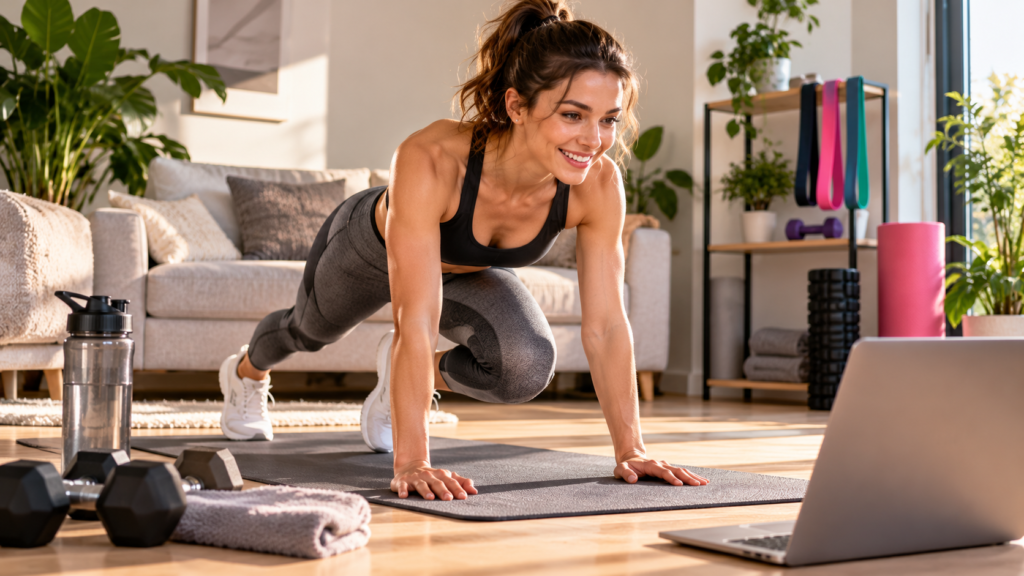

Starting a fitness routine at home can be one of the simplest ways to become more active. You don’t need an expensive gym membership, complicated equipment, or a dedicated workout room to begin.
At VLAD SMART PICKS, we believe that building healthy habits starts with practical choices. Whether you’re looking to improve your strength, increase your daily movement, or simply feel more energetic, small steps can help you create a routine that fits your lifestyle.
In this guide, we’ll explore beginner-friendly home fitness tips, useful equipment options, and ways to stay consistent without spending too much money.
1. Set Realistic Fitness Goals
Before starting a workout routine, think about what you want to achieve.
Your goals might include:
- Becoming more physically active.
- Improving your strength and flexibility.
- Building better exercise habits.
- Increasing your endurance.
- Making movement part of your daily routine.
Start with goals that match your current fitness level and available time.
For example, exercising for 15 minutes a few days per week may be a more manageable starting point than attempting an intense daily workout.
As your fitness improves, you can gradually increase the duration or difficulty of your sessions.
2. Create a Comfortable Workout Space
You don’t need a large room to exercise at home.
A small, clear area with enough space to move safely can work well for many beginner exercises.
Before starting, make sure:
- The floor is stable and not slippery.
- You have enough room to move your arms and legs.
- There are no obstacles nearby.
- The space has comfortable ventilation.
- You have water available when needed.
A dedicated workout space can also make it easier to develop a consistent routine.
3. Begin with Simple Bodyweight Exercises
Bodyweight exercises are a practical option for beginners because they often require little or no equipment.
Some exercises to explore include:
Squats
Squats can help strengthen the muscles in your legs and hips.
Beginners may find it helpful to start with a chair-supported version while learning proper movement.
Wall Push-Ups
Wall push-ups offer a more accessible alternative to traditional floor push-ups.
They can help you practice pushing movements while gradually building upper-body strength.
Glute Bridges
Glute bridges focus on muscles around the hips and can be performed on a comfortable exercise mat.
Bird Dogs
This controlled movement involves extending opposite arms and legs while maintaining a stable position.
It can help you practice balance and core control.
Walking in Place
Walking in place is a simple way to add movement to your day, especially when outdoor exercise isn’t convenient.
Beginner tip: Focus on controlled movements and comfortable effort rather than speed or high repetition counts. Stop if you experience pain, dizziness, or unusual discomfort.
4. Consider a Few Affordable Fitness Essentials
Although many home workouts require no equipment, a few accessories may make exercising more comfortable or help you explore different movements.
Exercise Mat
A suitable exercise mat can provide cushioning for floor-based movements and stretching.
Look for one with enough grip, comfortable thickness, and a surface that’s easy to clean.
Resistance Bands
Resistance bands offer a compact way to add resistance to certain exercises.
Choose a resistance level appropriate for beginners, inspect bands for damage before use, and follow the manufacturer’s instructions.
Comfortable Workout Shoes
Supportive footwear can be useful for workouts that involve standing, walking, or repeated movement.
The right choice depends on your activity, comfort, and individual needs.
Reusable Water Bottle
Keeping water nearby makes it easier to stay hydrated during exercise.
Choose a bottle that’s easy to clean and convenient to use.
Shopping tip: Start with the essentials you actually need. You can always add equipment later as your routine develops.
5. Build a Simple Weekly Routine
Consistency matters more than creating a complicated workout schedule.
Here’s an example of a flexible beginner-friendly week:
| Day | Suggested Activity |
|---|---|
| Monday | 15–20 minutes of gentle strength exercises |
| Tuesday | Comfortable walking or light movement |
| Wednesday | Rest or gentle stretching |
| Thursday | 15–20 minutes of beginner strength exercises |
| Friday | Comfortable walking or another enjoyable activity |
| Saturday | Optional light activity |
| Sunday | Rest and recovery |
This is only an example, not a personalized exercise prescription. Adjust the activities, duration, and intensity to your abilities.
If you’re new to exercise, have a medical condition, or are recovering from an injury, consider asking a qualified healthcare professional what activities are appropriate for you.
6. Warm Up and Cool Down
A short warm-up can help prepare your body for physical activity.
Depending on your workout, you might begin with:
- Gentle walking in place.
- Easy shoulder movements.
- Slow, controlled arm circles.
- Light movements similar to the exercises you plan to perform.
After your workout, gradually reduce your activity level.
Gentle stretching may feel comfortable, but avoid forcing any movement beyond your natural range.
7. Track Your Progress Without Obsessing Over Numbers
Tracking your workouts can help you notice improvements and stay motivated.
You might record:
- How many days you exercised.
- How long each session lasted.
- Which exercises felt easier over time.
- Whether your energy or endurance seems to be improving.
- What activities you enjoy most.
A notebook or simple phone app may be enough.
You don’t need an expensive fitness tracker to recognize progress.
8. Make Fitness Enjoyable
One of the best ways to maintain a routine is to choose activities you actually enjoy.
Home fitness doesn’t have to mean repeating the same exercises every day.
You can explore:
- Beginner-friendly dance workouts.
- Gentle yoga or mobility routines.
- Indoor walking sessions.
- Low-impact cardio.
- Simple strength workouts.
Variety can help keep exercise interesting while allowing you to discover what works best for you.
9. Avoid Common Beginner Mistakes
When starting a fitness routine, it’s easy to feel motivated to do too much too soon.
Try to avoid these common mistakes:
Doing too much at once: Increase your activity gradually instead of jumping into demanding workouts.
Ignoring recovery: Give your body time to rest, especially after unfamiliar strength exercises.
Buying unnecessary equipment: Build a consistent routine before investing in expensive accessories.
Comparing yourself to others: Your starting point and progress will be different from someone else’s.
Expecting immediate results: Developing fitness habits takes time, patience, and consistency.
10. Focus on Long-Term Habits
A successful home fitness routine should fit into your everyday life.
You don’t need perfect workouts or an expensive setup to make progress.
Start with manageable activities, choose equipment thoughtfully, and adjust your routine as your confidence grows.
Remember that regular movement, adequate rest, and balanced nutrition all contribute to overall well-being.
Final Thoughts
Starting your fitness journey at home doesn’t need to be overwhelming.
With realistic goals, beginner-friendly exercises, and a few practical essentials, you can build a routine that supports a more active lifestyle.
At VLAD SMART PICKS, our mission is to help you explore useful ideas and make smarter shopping decisions.
Start small, stay consistent, and choose what works best for you.